
Le Marché and She Grows Veg at RHS Chelsea Flower Show
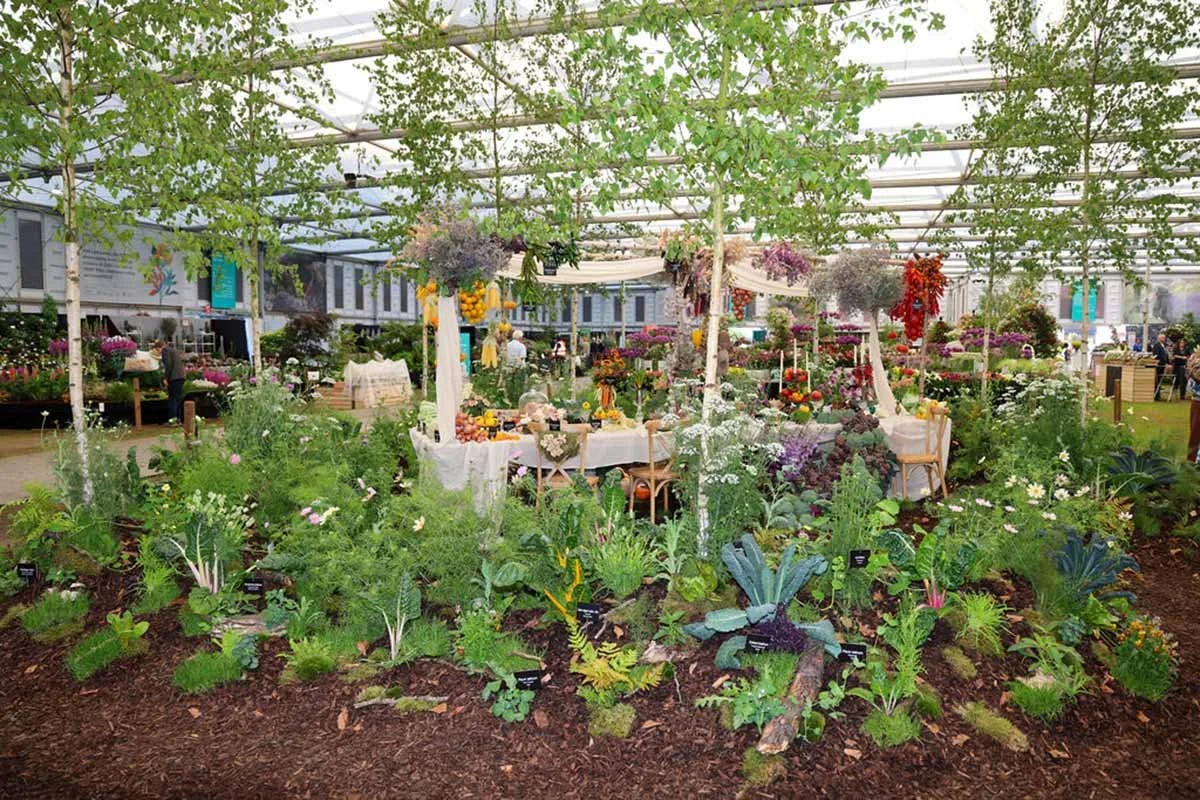
We were proud to partner with She Grows Veg for their Silver Gilt award-winning display at RHS Chelsea Flower Show. We talked to their CEO Kate Cotterill about the event.
Why did you choose to partner with Le Marché for the event?
Our theme this year was Feast - a celebration of flavour, of food grown with intention and eaten with joy. So when it came to choosing a partner, the answer felt obvious. Le Marché supplies some of the best chefs in London with the most stunning produce available - these are people whose entire reputation rests on the quality of what lands on the plate. That's exactly the world our seeds belong in. There's a beautiful logic to it: we grow the varieties, Le Marché gets them into the hands of the people who know best what to do with them. It's a partnership built around a shared obsession with flavour, and Chelsea felt like the perfect stage to celebrate that.
What makes your business special / unique?
We started She Grows Veg because we couldn't find the seeds we actually wanted to grow. The weird ones, the beautiful ones, the ones with a story behind them. We specialised in heirloom and heritage varieties at a time when most of the seed industry was moving in the opposite direction - towards uniformity, shelf life and F1 hybrids. Everything we sell is chosen because we've grown it, we've tasted it, and we think it deserves to exist in more gardens. We're also a female-founded business, which still feels worth saying in an industry that has historically been pretty male-dominated. And we genuinely care - about biodiversity, about soil, about getting more people growing food at home.
Why should people grow heritage varieties?
Because you're participating in something much bigger than a growing season. These varieties have histories that stretch back generations - some of them hundreds of years. When you grow a heritage tomato or a mangelwurzel that was almost lost to the food system entirely, you're keeping something alive that might otherwise disappear. There's also something deeply satisfying about growing a vegetable that looks like nothing you'd ever find in a supermarket. Heritage varieties were never bred for uniformity or shelf life - they were bred for flavour, for resilience, for the particular conditions of a particular place. That's a completely different set of priorities, and it shows in the growing experience and on the plate.
What qualities can the varieties have that we typically miss in more mainstream or F1 vegetables?
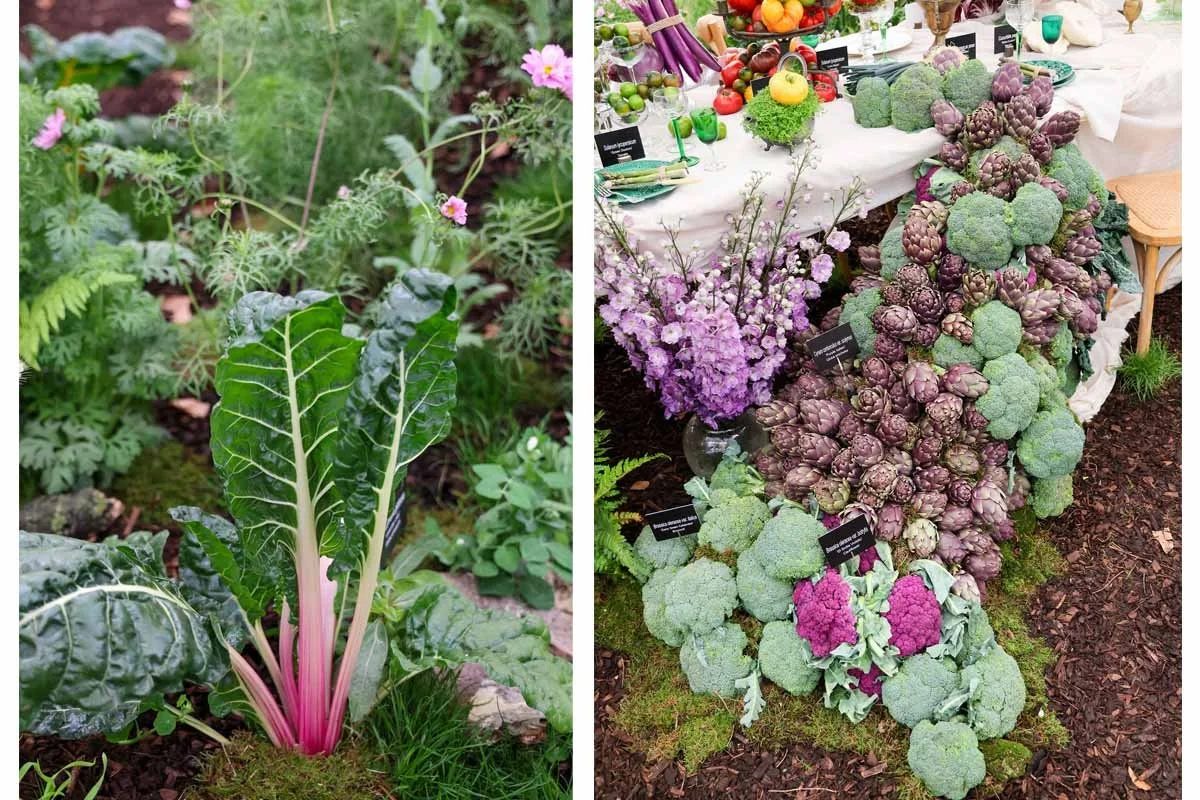
Flavour is the obvious one - and it's real, not romantic. F1 hybrids are bred for consistency and transportability, which inevitably means compromises on taste. Heritage varieties were selected over decades or centuries by people who were growing food to eat, not to ship, so the eating quality is often in a completely different league. But it goes beyond flavour. Many heritage varieties have a remarkable adaptability - they've had time to develop resilience to specific climates and conditions that modern varieties, bred in controlled environments, simply haven't. You also get extraordinary visual diversity - purples, blacks, stripes, forms that look almost sculptural. And because heritage varieties are open-pollinated, you can save your own seed year after year, which changes your relationship with growing entirely.
Any personal favourites?
Our Mangelwurzel Mammoth Red has a special place for me - it's our best seller and still one of the varieties that makes people stop and stare. It's a root vegetable that heaves itself out of the ground looking like something from another era, and it tastes wonderful roasted. I'm also completely devoted to Tomato Black Beauty - it has this incredible depth of colour and a richness of flavour that commercial tomatoes just can't match. And the Carrot Manpukuji - it's a Japanese heirloom that grows to an extraordinary length, and it converts people who think they don't care about carrots. That's the magic of what we do, really - these varieties have the ability to make people fall in love with vegetables they'd walked past their whole lives.